Creating a productive home office environment is key to maintaining focus and efficiency while working remotely. Whether you’re new to working from home or looking to improve your current setup, small changes can make a big difference. In this post, we’ll explore practical tips to help you design a workspace that supports your productivity and well-being.
Choose the Right Location
The foundation of a productive home office starts with selecting an appropriate spot for your workspace.
Consider Natural Light
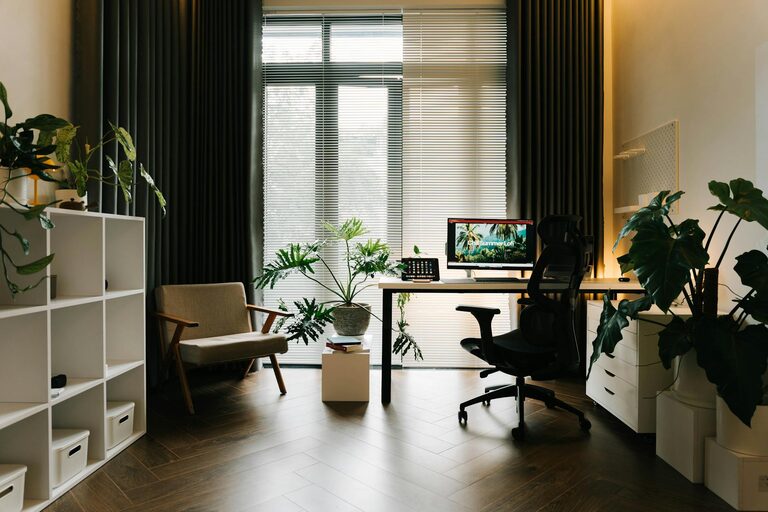
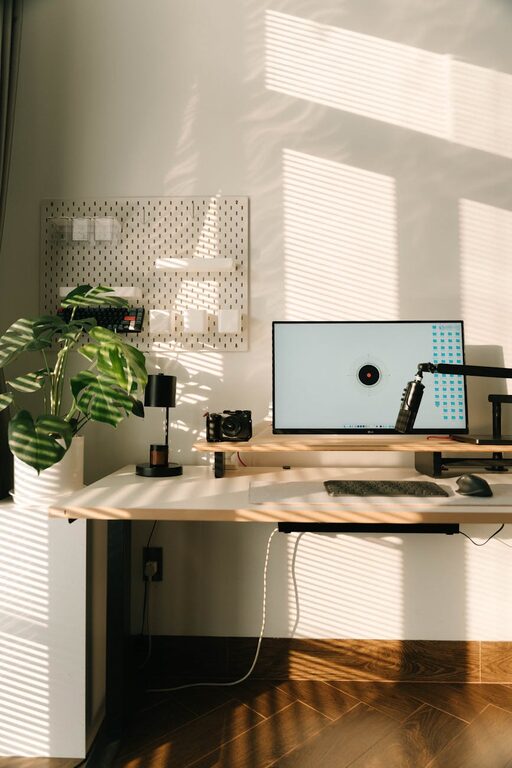
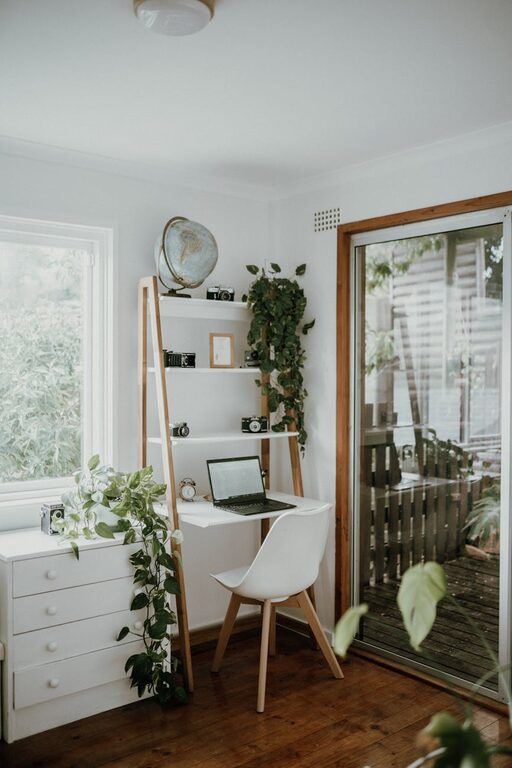
Aim to set up your desk near a window if possible. Natural light can improve mood, reduce eye strain, and enhance energy levels. If natural light is limited, invest in good quality, adjustable artificial lighting.
Minimize Distractions
Choose a quiet area away from household noise and high traffic. Having a dedicated space signals to others when you’re working, helping to reduce interruptions.
Invest in Comfortable and Functional Furniture
Your furniture should promote good posture and support long hours of work.
Ergonomic Chair and Desk
An ergonomic chair with adjustable height and lumbar support helps prevent back pain. Pair it with a desk at the right height so your arms rest comfortably while typing.
Utilize Desk Accessories
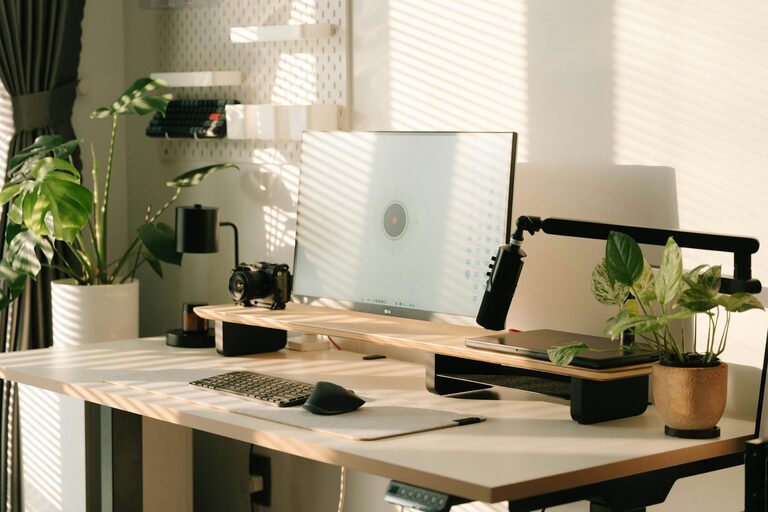
Consider items like a monitor stand for eye-level screen placement, keyboard trays, or wrist rests. These accessories can prevent strain and improve your comfort.
Organize Your Space
A clutter-free environment encourages clear thinking and productivity.
Use Storage Solutions
Shelves, filing cabinets, and desk organizers keep supplies and paperwork tidy and easy to find.
Manage Cables and Equipment
Use cable organizers or clips to keep cords neat. A clean workspace contributes to a calm and focused mindset.
Optimize Your Technology Setup
Reliable technology is essential to a smooth workflow.
High-Speed Internet
Ensure your internet connection is fast and stable to avoid disruptions during video calls or downloading files.
Quality Hardware
Invest in a good computer, headset, and webcam to improve communication and reduce technical frustrations.
Personalize Wisely
Adding personal touches can make your workspace inviting without causing distractions.
Add Plants or Art
Greenery and artwork can boost motivation and reduce stress. Choose items that inspire you but avoid overcrowding your desk.
Choose a Pleasant Color Scheme
Soft, neutral colors create a calming atmosphere, while accents of brighter colors can energize.
Set Boundaries and Routine
Maintaining a work-life balance is important when your office is at home.
Define Work Hours
Set consistent start and end times to your workday to prevent overworking.
Create Signals
Use closing your laptop or turning off your office light to indicate the end of work. When others see these cues, they’re less likely to interrupt.
Take Regular Breaks
Short, regular breaks improve focus and reduce fatigue. Try techniques like the Pomodoro method — working 25 minutes, then resting for 5 minutes.
Keep Air Quality and Temperature in Check
A comfortable room temperature and fresh air contribute to concentration and comfort. Open windows when possible or use a fan or air purifier.
Conclusion
Transforming your home office into a productive environment involves thoughtful choices in location, furniture, organization, and routines. Small adjustments can lead to big improvements in your work experience. By creating a space that supports your physical comfort and mental focus, you’ll set yourself up for success every workday.
About the Author