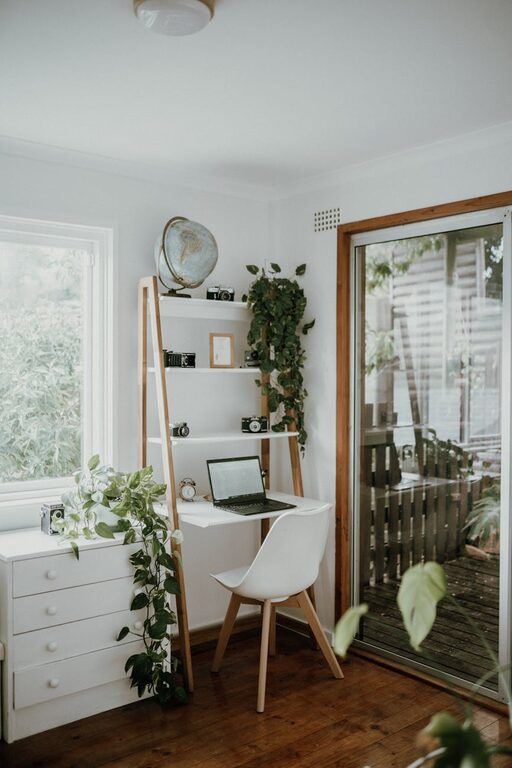
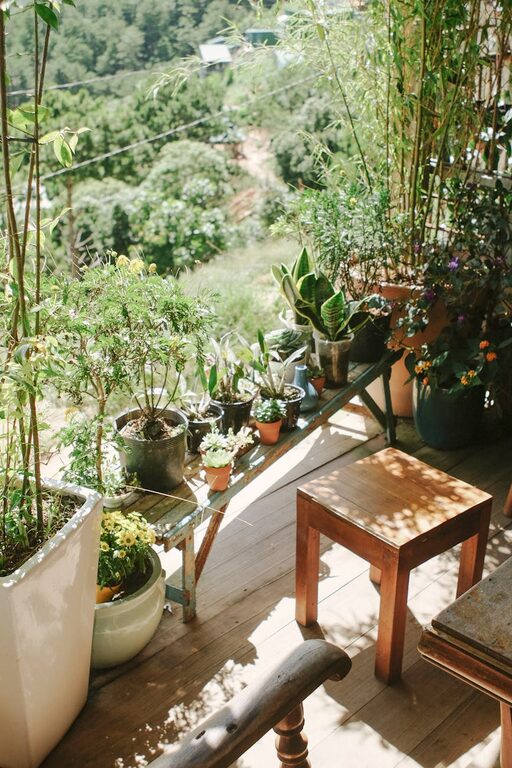
Creating a sustainable home garden is a rewarding way to connect with nature and contribute to environmental health. By designing your garden with sustainability in mind, you can enjoy fresh produce, beautiful plants, and reduced environmental impact all year round. Whether you are a beginner or an experienced gardener, these tips will help you build a thriving, eco-friendly garden that flourishes through every season.
Understanding Sustainability in Gardening
Sustainability means meeting your garden needs without compromising the environment or future resources. It involves using natural materials, conserving water, reducing waste, and supporting local ecosystems. Sustainable gardening not only benefits the planet but often results in healthier plants and lower maintenance.
Plan Your Garden for Year-Round Success
Choose the Right Plants
Selecting plants that are well-suited to your climate and soil conditions is vital. Native plants are often the best choice because they are adapted to local weather, require less water, and support local wildlife like pollinators. Incorporate a mix of perennials and annuals to ensure your garden has life and color in every season.
Rotate Your Crops
If you grow vegetables or herbs, crop rotation helps maintain soil fertility and prevents pests and diseases from becoming established. Avoid planting the same family of plants in the same spot year after year. Instead, plan a rotation schedule that balances nutrient use.
Incorporate Companion Planting
Certain plants grow better together. Companion planting can improve growth, deter pests, and attract beneficial insects. For example, planting marigolds among your vegetables can reduce unwanted pests naturally.
Maximize Natural Resources
Collect and Conserve Water
Water conservation is critical for sustainability. Use rain barrels to collect rainwater for irrigation, reducing reliance on municipal water. Water early in the morning or late in the evening to minimize evaporation. Mulching also helps retain soil moisture.
Improve Soil Health Naturally
Healthy soil is the foundation of a sustainable garden. Avoid chemical fertilizers and pesticides. Instead, enrich your soil with organic compost, which improves nutrient content and soil structure. Regularly add mulch or leaf litter to maintain moisture and protect soil.
Use Renewable or Recycled Materials
When building garden beds, pathways, or fences, choose materials that are renewable or recycled. For instance, reclaimed wood or stones can be a stylish and eco-friendly option.
Maintain Your Garden Sustainably
Practice Integrated Pest Management (IPM)
IPM focuses on controlling pests with minimal harm to the environment. Encourage natural predators, use physical barriers like nets, and apply organic treatments only when necessary. This approach protects beneficial insects and reduces chemical use.
Compost Your Garden Waste
Turn leaves, grass clippings, vegetable scraps, and other organic waste into nutrient-rich compost. Composting reduces landfill waste and provides free fertilizer for your garden.
Implement Seasonal Tasks
Each season requires specific garden care to keep plants healthy:
– Spring: Prepare soil with compost, start seeds indoors, prune dead branches.
– Summer: Mulch to conserve water, monitor for pests, harvest regularly.
– Fall: Plant cover crops, clean garden beds, collect seeds.
– Winter: Protect sensitive plants with mulch or covers and plan next year’s garden.
Create Habitat-Friendly Spaces
Sustainable gardens support wildlife by providing food, water, and shelter. Include native flowering plants to attract pollinators like bees and butterflies. Small water features or birdbaths help birds and other beneficial animals. Avoid chemicals harmful to wildlife.
Tips for Urban and Small Space Gardens
Even in limited spaces, you can create a sustainable garden:
– Use vertical gardening techniques like trellises and wall planters.
– Grow herbs and vegetables in containers with quality soil.
– Select compact or dwarf plant varieties suitable for pots.
– Join community gardens to share resources and knowledge.
Benefits of a Sustainable Home Garden
– Environmental: Reduces waste, conserves water, and supports biodiversity.
– Economic: Saves money on produce and garden supplies.
– Health: Provides fresh, chemical-free food and encourages outdoor activity.
– Educational: Offers learning opportunities for families and communities.
Final Thoughts
Building a sustainable home garden is a journey rather than a single project. By thoughtfully selecting plants, conserving resources, and caring for your garden throughout the year, you contribute positively to the planet and create a beautiful, productive space to enjoy. Start small, observe how your garden responds, and adapt your practices so that sustainability becomes a natural part of your gardening routine. Happy gardening!
About the Author