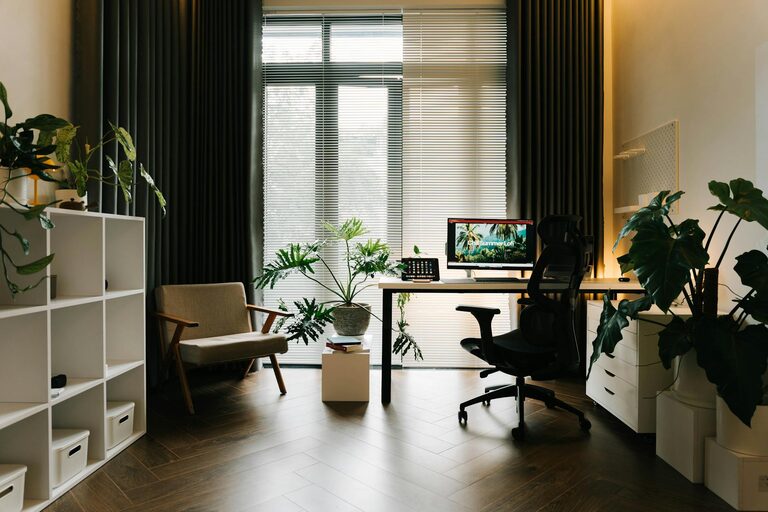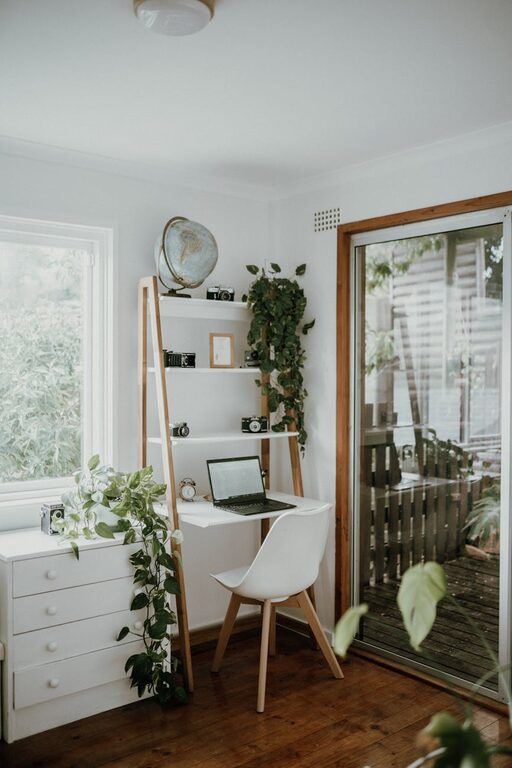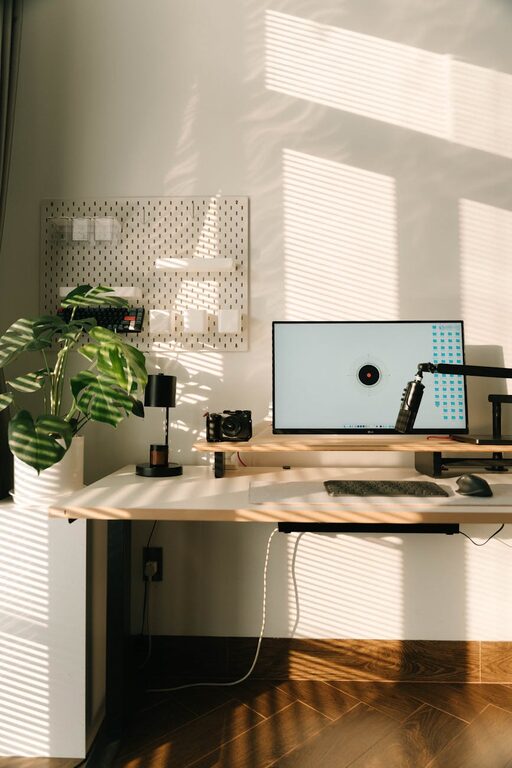
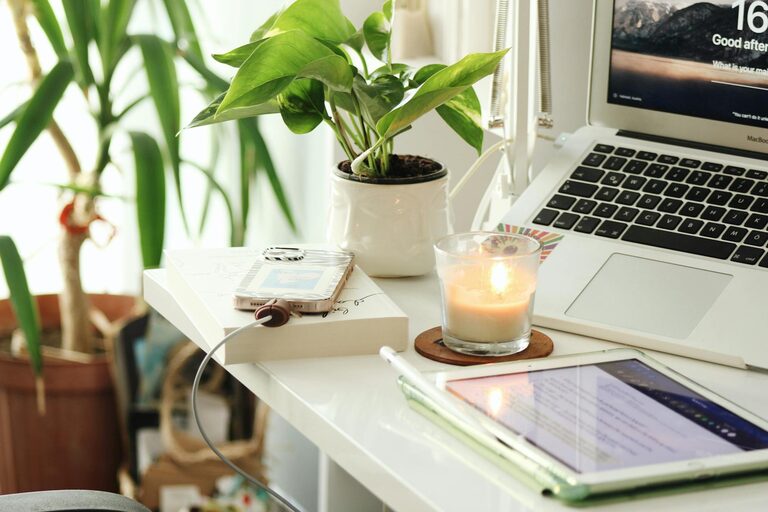
Creating a home office that is both cozy and productive can transform your workday. Whether you work remotely full-time or occasionally need a dedicated space, designing an environment that feels inviting and supports focus is key. Here are practical tips to help you set up a home office that balances comfort and efficiency.
Choose the Right Spot
Your workspace location plays a huge role in how productive and comfortable you feel. Ideally, pick a quiet corner or a room with minimal distractions. Natural light is a major plus — setting up near a window can boost mood and energy.
Consider These Factors:
– Lighting: Aim for plenty of daylight, supplemented by warm artificial lighting.
– Privacy: Choose a spot where you won’t be frequently interrupted.
– Space: Make sure there’s enough room for your desk, chair, and any equipment or storage you need.
Invest in Ergonomic Furniture
Comfort is essential, especially if you spend long hours at your desk.
– Chair: Opt for an ergonomic chair with good lumbar support to keep your posture healthy.
– Desk: A desk at the right height prevents strain on your wrists and neck; consider adjustable desks for flexibility.
– Accessories: Use a footrest or wrist support pads to reduce discomfort.
Organize with Purpose
Clutter can distract you and reduce productivity. Keep your workspace tidy with effective organization.
– Storage Solutions: Use shelves, drawers, or filing cabinets to keep documents and supplies organized.
– Desk Accessories: Pencil holders, trays, and paper organizers can keep essentials handy but neat.
– Cable Management: Use clips or sleeves to keep cords untangled and off your work surface.
Add Personal Touches
A cozy office reflects your personality and makes the space inviting.
– Plants: Indoor plants improve air quality and add a calming touch.
– Artwork: Hang photos or art that inspire or cheer you up.
– Textiles: Use cushions, rugs, or curtains in soft textures and colors to create warmth.
Control Noise and Distractions
Maintaining focus is easier when distractions are minimized.
– Noise Reduction: Consider noise-canceling headphones or white noise machines if ambient noise is a problem.
– Smart Boundaries: Communicate with family or housemates about your work hours and space.
– Digital Declutter: Turn off non-essential notifications and use apps that block distractions.
Prioritize Good Lighting
Proper lighting reduces eye strain and keeps energy levels high.
– Natural Light: Position your desk to take advantage of daylight without glare on screens.
– Task Lighting: Use adjustable desk lamps to brighten work areas during darker hours.
– Warm vs. Cool Light: Warm light creates a cozy atmosphere, while cooler light can help with focus.
Maintain a Balanced Layout
The arrangement of your furniture and devices impacts both productivity and comfort.
– Accessibility: Place often-used items within easy reach to reduce unnecessary movement.
– Clear Surfaces: Keep your desk surface as clear as possible for flexibility in tasks.
– Separate Zones: If space allows, designate separate areas for computer work, paperwork, and breaks.
Incorporate Break and Relaxation Spaces
Including a small area for breaks within your home office helps you recharge.
– Comfortable Seating: A cozy chair or small sofa allows for brief rest periods.
– Lighting: Softer lighting in the relaxation zone encourages downtime.
– Personal Items: Books, magazines, or calming objects can make breaks more enjoyable.
Set Up Technology Mindfully
Choose technology that supports your workflow without overwhelming your space.
– Monitor Setup: Position screens at eye level to avoid neck strain.
– Connectivity: Ensure reliable internet and enough power outlets.
– Peripherals: Use wireless devices to reduce clutter whenever possible.
Keep It Fresh and Inviting
Finally, refresh your office regularly to maintain inspiration.
– Declutter Often: Remove unused items to keep the space functional.
– Update Décor: Change colors or accessories seasonally for novelty.
– Air Quality: Open windows or use air purifiers to keep the air clean.
—
Designing a cozy and productive home office is about balance. By carefully choosing your space, furnishing it ergonomically, organizing thoughtfully, and adding personal touches, you can create an environment that supports both your well-being and your work goals. Small changes can have a big impact on your daily workflow and overall satisfaction. Start with these tips and adjust according to what feels best for you.
About the Author